
From Founder to Investor: Helping Founders Turn Business Success into a Lasting Legacy
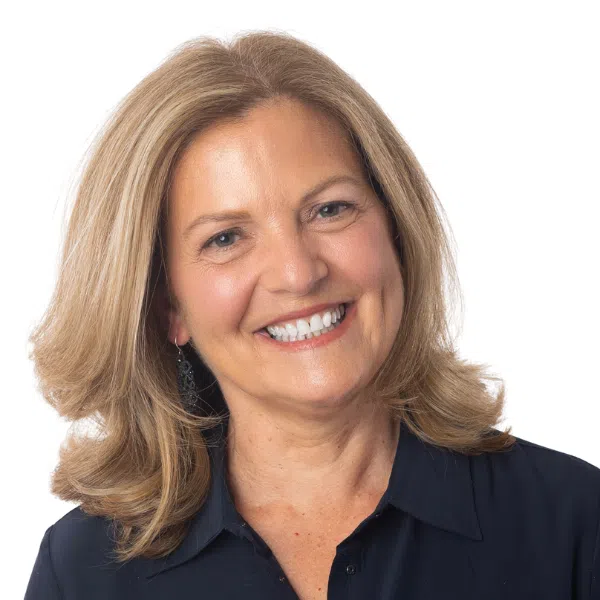
We sat down with Mary Jo Palermo, Partner in the Private Client Practice at Cambridge Associates, to discuss the unique journey of founders as they transition from building businesses to building enduring legacies. Over a 35 year career investing alongside founders—both within global institutional frameworks and in private wealth and family office settings—Mary Jo has developed a nuanced understanding of the pivotal transition from owner-operator to whatever comes next.
Mary Jo, you’ve worked with many founders who have just had a major liquidity event, either selling part or all of their business. What’s the first thing you notice about this transition?
Mary Jo: First of all, it’s an amazing achievement and these business owners have done what most only dream of—built something from the ground up. The shift from being an operator—making daily decisions—to the owner of capital is liberating but can also be disorienting. The question becomes: “What do I build next?” It’s not just a change in your balance sheet, it’s a change in your identity. We put ourselves in our clients’ shoes because we know this is a deeply personal transition. We’ve seen it many times, and we understand how important it is to honor the achievement and prepare individuals and their families for the excitement and uncertainty that comes with this evolution.
What are some of the most common questions you hear from first generation founders at this stage?
Mary Jo: The sale creates space for broad strategy. Founders often ask, “What do I want this capital to do for me, my family, my community?” It’s not about retiring; rather, you’re redirecting your energy and vision to architecting something new. And everyone does this in their own time and way. The core is defining your purpose and the impact you want to have. I love helping my clients navigate this process because it’s truly so different for everyone.
How do you help founders navigate the decision between managing a simple portfolio and building a broader family enterprise?
Mary Jo: The first structural decision is: What kind of platform are you building? Some founders want to manage a portfolio only that is focused on wealth preservation, stability, and simplicity post-sale. Others want to design a platform—a family enterprise that integrates capital, family legacy, and future purpose. So really, this is the founder’s next enterprise, and the product is capital and impact. I encourage founders to design before deploying a single dollar. Think about the architecture, the purpose, and the right governance structure. It’s about building an ecosystem, not just a portfolio.
You’ve spoken about the importance of “edge” in building the next chapter. Can you share what that means in practice?
Mary Jo: A founder’s “edge” is the unique combination of expertise, network, and values that made them successful with their business. I’ve seen clients leverage their industry knowledge to invest directly in businesses they understand, or use their networks to co-invest with trusted peers. Others focus on impact—investing in local communities or causes they care about. The point is, your capital is now your product, and you have the opportunity to shape a new future that’s as entrepreneurial as your first act. Most importantly—you will hear me repeat this—know your “edge” and leverage it like crazy. This is your personal alpha that will drive success of your family office platform. Whatever shape it takes. Consider buying the commodity functions where that infrastructure will support your edge.
What are some pitfalls you help founders avoid as they build their family office or investment platform?
Mary Jo: One common pitfall is starting out trying to do everything in-house, which can be overwhelming and inefficient. There may be a time for that but it’s much easier to transition over time rather than try to do everything at once. You don’t have to build your own investment team from scratch. We act as a fully-integrated investment team for our clients, looking at the whole picture—operating businesses, future ventures, liquidity, spending, and more. Another pitfall is losing sight of governance. Even the best ideas can get lost without clear decision-making structures. We help clients design governance models that support their vision and keep the family aligned.
How do you see your role as an advisor to founders?
Mary Jo: I see myself as a partner in their next act. My job is to listen, to understand what makes each founder unique, and to help them find solutions—not sell products. We put ourselves in our clients’ shoes, and that’s not just a saying, it’s how we approach every relationship. We have been working with families and business owners for decades, we learn from them and their objectives, and we solve the things that they want to solve. When you add that up over three or four decades, it allows us to be more impactful advisors to the next family that comes to us for our advice. One of the real value-adds we offer our clients is that because we work with so many business owners and investors, we can connect clients to a broader network for advice and opportunities beyond the portfolio.
What advice would you give to a founder who’s just sold their business and is wondering what comes next?
Mary Jo: Take your time. The transition from operator to architect is significant, and it’s okay to feel a bit unmoored at first. Start by defining your purpose: what do you want your capital to achieve? Then, design the structure that will help you get there. Don’t be afraid to lean on experienced partners who understand the founder’s mindset and can help you build something lasting. Your next chapter can be just as meaningful—and entrepreneurial—as your first.
What is “The Guiding Equation”?
Mary Jo: I often remind founders that edge = expertise + network + values. Your experience as an operator is a core competitive edge as a family office enterprise builder. Your capital is the engine to shape a new future and execute your vision. Some see this time as their second enterprise where the first one was to build wealth and the second allows them to build their legacy.
Mary Jo Palermo - Mary Jo Palermo is a Partner for the Private Client Practice at Cambridge Associates.
About Cambridge Associates
Cambridge Associates is a global investment firm with 50+ years of institutional investing experience. The firm aims to help pension plans, endowments & foundations, healthcare systems, and private clients achieve their investment goals and maximize their impact on the world. Cambridge Associates delivers a range of services, including outsourced CIO, non-discretionary portfolio management, staff extension and alternative asset class mandates. Contact us today.