
The Economy, Not Kevin Warsh, Will Drive Fed Policy

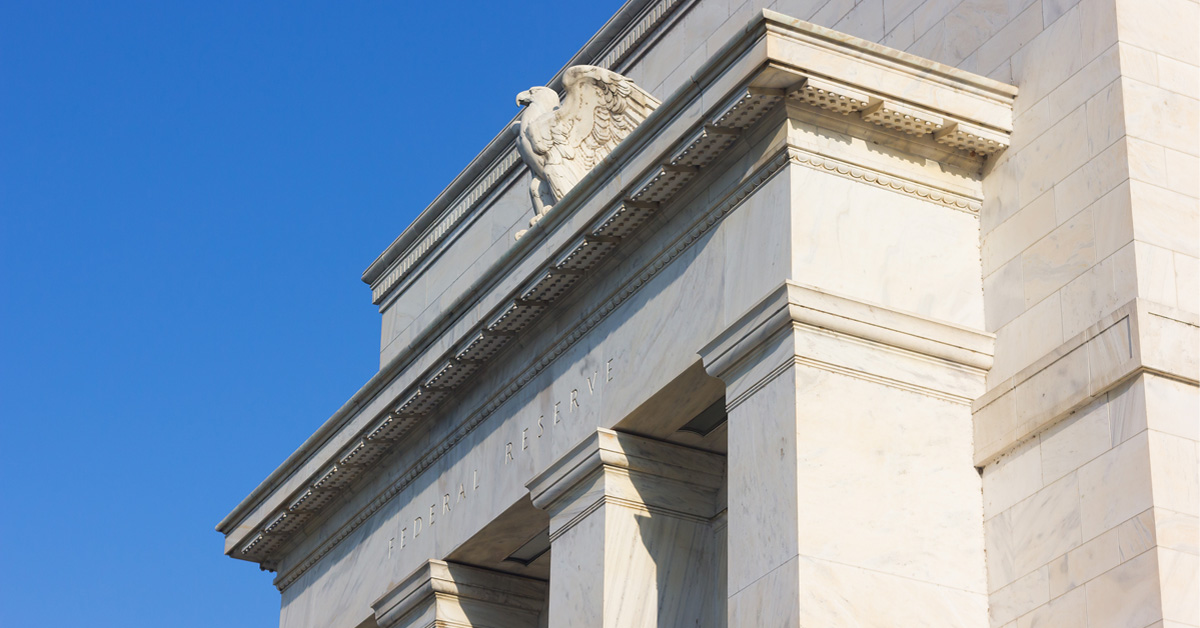
Kevin Warsh became chair of the Federal Reserve on May 15 after Senate confirmation earlier this week, succeeding Jerome Powell at a politically sensitive moment for the central bank. A former Fed governor, Warsh brings stronger market credibility than some other candidates considered for the role, but his ties to President Donald Trump have raised questions about the Fed’s independence.
Those concerns have grown in Trump’s second term amid repeated calls for lower rates and efforts to remove Fed officials. Even so, we see limited risk of a meaningful erosion in Fed independence. Legal and institutional safeguards still constrain political influence, and policy should remain driven mainly by inflation, labor market, and growth data. Continuity on the current board, whose members have a long record of voting independently, further limits tail risk, especially with Powell expected to temporarily remain a governor after his term as chair ends.
Warsh’s appointment is unlikely to drive a major near-term policy shift. In Senate testimony, he said he is “not pre-committed” to any course of action, and the Iran War has reinforced a wait-and-see stance by adding uncertainty around energy prices and inflation. Markets have also sharply repriced the Fed outlook for 2026, moving from near certainty of at least one cut and high odds of two to no cuts priced at all, with investors now split between the Fed staying on hold or hiking once. The latest dot plot still points to an easing bias, with two cuts penciled in through the end of 2027, but three dissents highlighted growing disagreement over the path forward and the chair’s role in forging consensus.
The bigger question is how far Warsh reshapes Fed strategy over time. He has called for changes to forward guidance, balance sheet policy, and the inflation framework. Some of these views diverge from the Fed’s current direction, particularly as policymakers appear inclined to slow and eventually end quantitative tightening as reserve balances approach ample levels, in part to reduce the risk of renewed funding-market stress, as seen in 2018–19. Warsh has also pointed to more stable inflation measures and artificial intelligence–driven productivity gains as reasons price pressures may prove less persistent than headline data suggest. Still, any major shift would require broad committee support and depend on the economy he inherits.
Market reaction so far has been limited, as the appointment has been overshadowed by broader macroeconomic and geopolitical developments. The bigger risk is not an outright loss of Fed independence, but that investors begin to demand a higher premium for policy uncertainty or price in greater tolerance for inflation at the margin. Over time, that could lift inflation expectations modestly, steepen the yield curve, and weigh on the US dollar, strengthening the case for diversifying away from concentrated US dollar and equity exposure.
TJ Scavone - T.J. is a Senior Investment Director for the Investment Strategy Research Team at Cambridge Associates.
About Cambridge Associates
Cambridge Associates is a global investment firm with 50+ years of institutional investing experience. The firm aims to help pension plans, endowments & foundations, healthcare systems, and private clients achieve their investment goals and maximize their impact on the world. Cambridge Associates delivers a range of services, including outsourced CIO, non-discretionary portfolio management, staff extension and alternative asset class mandates. Contact us today.