
UK Political Turmoil Adds Noise, But Gilts Will Remain Driven By Broader Macro Forces

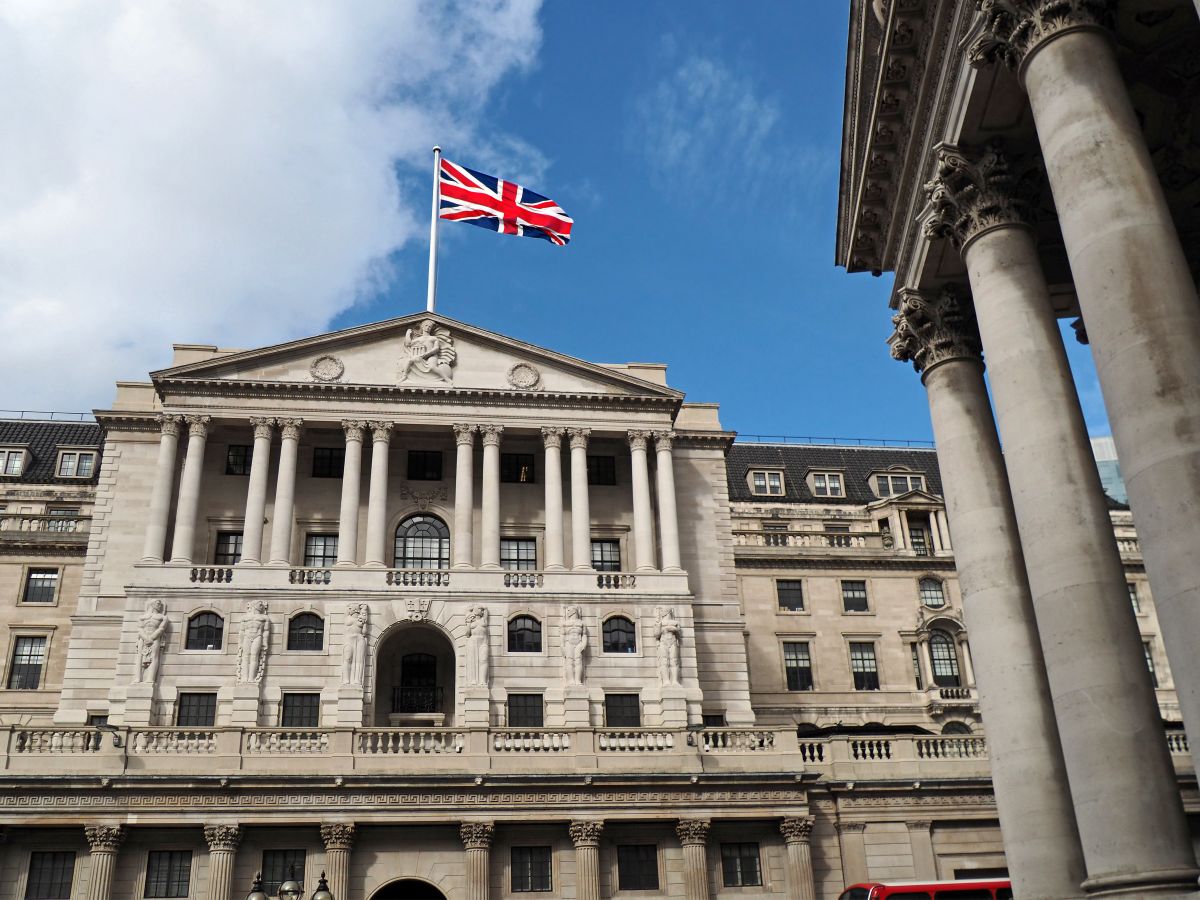
Large losses in last weekend’s local elections have increased pressure on Labour Party leader and Prime Minister Keir Starmer. Frustration was already building within the Labour Party over the lack of visible progress on key priorities, compounded by weak approval ratings. The local election results brought this dissatisfaction with leadership to a head. As a result, an official challenge to his leadership now appears imminent. Markets have reacted, but only modestly. Gilt yields have risen approximately 10 basis points and sterling has weakened slightly since the election. Most of the recent underperformance in UK bonds is due to a repricing of Bank of England (BOE) interest rate expectations, driven by greater UK exposure to higher energy prices on the back of the Iran War, rather than domestic politics alone.
Betting markets see Starmer as being very likely (between 70% and 80% odds of being gone by year end) to lose any such leadership contest. However, any successor would likely still have limited political capital to pursue regulatory, public sector, or welfare reforms that could materially improve growth. As such, the weakness in gilts earlier this week reflected expectations that a new Labour Party leader may lean towards some degree of fiscal easing. Expectations differ by possible candidate, with Angela Rayner and Andy Burnham seen as most dovish, while Wes Streeting is viewed as less likely to deviate from current policy. Whoever wins, one indication of their fiscal intent will be whether current Chancellor Rachel Reeves retains her post, given she is now seen as a defender of current fiscal rules. The timing of any resolution remains uncertain. If Starmer were to resign and support quickly coalesced around a single candidate, the process could conclude relatively swiftly. A multi-candidate contest, however, could run until September, ahead of the Labour Party conference.
Certainly, the longer the contest drags on, the more disruptive it will be for the economy and markets. The uncertainty by itself may be enough to keep some upward pressure on UK bond yields. Nonetheless, we do not think that these risks materially alter the bigger-picture relative value proposition that has emerged in gilts for UK-based investors. In the first instance, substantial fiscal easing looks unlikely, in part because of the discipline the market has imposed on the government since the Truss/Kwarteng budget. Any major fiscal changes are more likely to be redistributive than expansionary. Even prior to this episode and the current energy price spike, gilts were trading materially cheap in our fair-value model based on economic fundamentals, with a much greater risk premium priced in than peers. Furthermore, as has been the case over the past two months, energy price dynamics will continue to dominate the short-run direction of travel for yields. We expect weaker domestic activity and labour market dynamics to limit the extent of inflationary pressures broadening beyond energy and food, which takes some hiking pressure off the BOE. While a decisive shift towards fiscal easing, such as abandoning current fiscal rules, is a risk, that is not our base case. Instead, we continue to expect gilts to outperform peers over a three-year horizon.
Thomas O’Mahony, CFA - Tom O’Mahony is a Senior Investment Director at Cambridge Associates.
About Cambridge Associates
Cambridge Associates is a global investment firm with 50+ years of institutional investing experience. The firm aims to help pension plans, endowments & foundations, healthcare systems, and private clients achieve their investment goals and maximize their impact on the world. Cambridge Associates delivers a range of services, including outsourced CIO, non-discretionary portfolio management, staff extension and alternative asset class mandates. Contact us today.