
Should Investors Act on the US Midterm Elections?

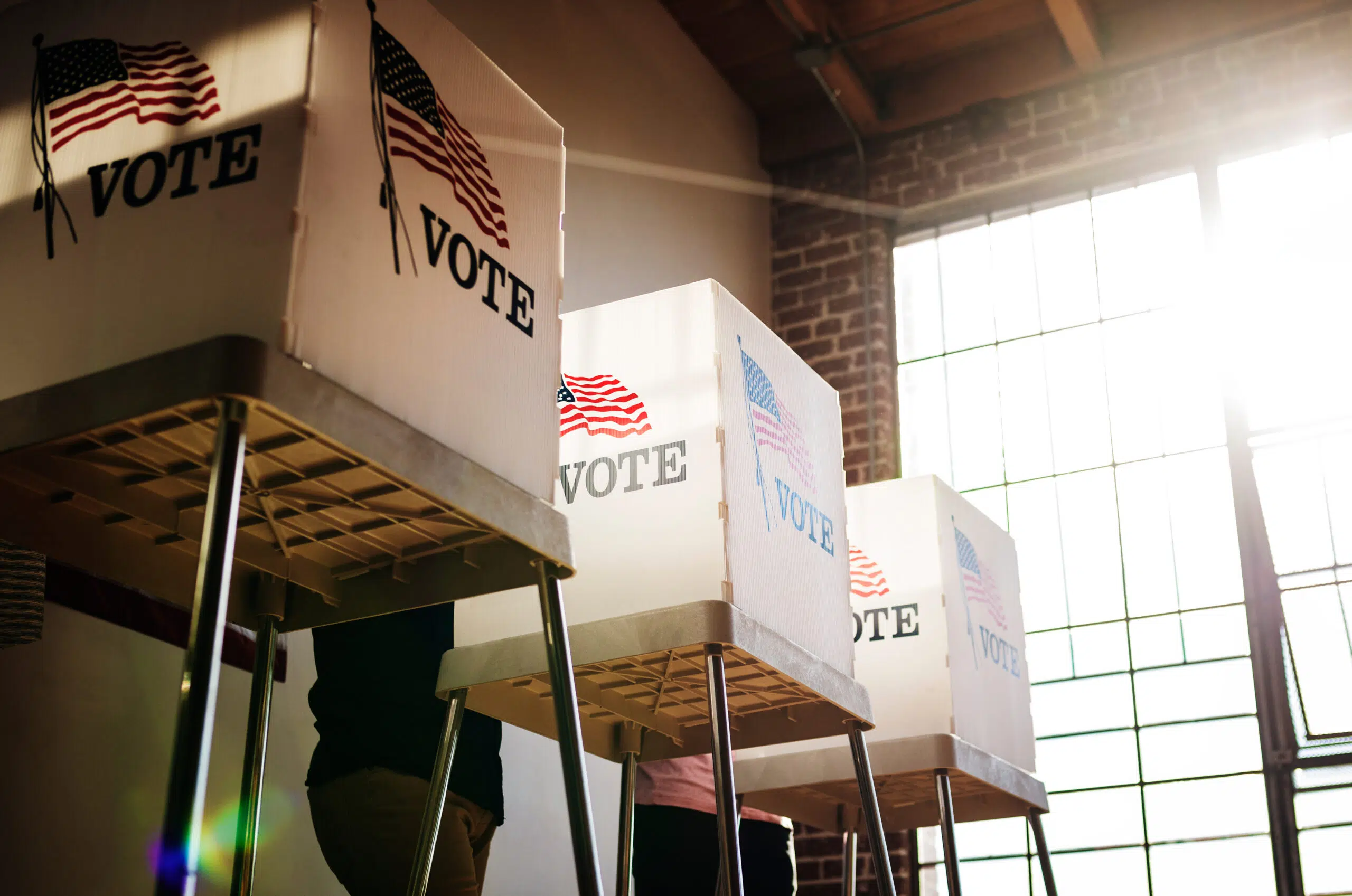
No. The November US midterm elections could affect regulatory, fiscal, foreign, and AI policy, but uncertain outcomes and market implications make election-driven trades a poor basis for investment decisions. In our view, investors are better served by maintaining resilient, diversified portfolios than by positioning for an anticipated election outcome.
Prediction markets indicate that Democrats’ prospects in the midterm elections have improved. They are likely to regain at least one chamber of Congress, with the House appearing the more attainable prize. They need a net gain of three House seats, and all 435 are up for election, so a broad shift in voter sentiment can affect several competitive districts at once. The Senate has become more competitive, including in historically Republican-leaning states, but the path to Democratic control remains harder. Democrats need a net gain of four seats, while only about one-third are up for election. According to PredictIt, markets assign 90% odds to a Democratic House and 60% to a sweep, although a large Democratic Senate majority remains unlikely.
These odds can shift sharply as campaigns evolve, and voter turnout remains difficult to forecast. The prospect of Republican losses is nonetheless consistent with historical midterm patterns. Over the past 100 years, the president’s party has lost an average of 27 House seats and four Senate seats in midterm elections. Senate losses have historically been even larger under presidents constitutionally unable to seek re-election. President Trump’s declining approval ratings, particularly around the Iran War and inflation, could reinforce that tendency.
Democratic control of one or both chambers would likely lead to increased congressional oversight of the Trump administration and make major legislation harder to pass, potentially slowing parts of its deregulatory and fiscal agenda. A larger Democratic majority could bring proposals to raise corporate, high-income, and capital gains taxes into sharper focus. President Trump’s veto authority would limit their prospects during the remainder of his term. More contentious negotiations over fiscal deadlines such as the debt ceiling may be the more immediate source of fiscal policy uncertainty. Even so, a divided government would not necessarily produce meaningful fiscal restraint, given the difficulty of agreeing on substantial spending cuts or tax increases.
AI regulation is also likely to receive greater political attention. A sweeping federal framework appears unlikely in the near term, however. States and localities may take a more active role, especially where concerns about data center power demand, grid investment, and local development are most acute. The resulting patchwork could raise project costs and widen performance differences across AI infrastructure providers, technology companies, and regions, rather than create a uniform near-term constraint on AI investment and earnings growth.
Foreign policy is less directly tied to congressional control. A divided government could constrain Trump’s domestic agenda while leaving him substantial discretion over sanctions, tariffs, and military operations. He has suggested a Republican loss could prompt a more forceful approach to Iran, though he has also said the election should not dictate his strategy. Economic and regional developments, negotiations, and US objectives will likely matter more for the conflict’s direction than the midterm result.
Even perfect foresight on the election result would not necessarily translate into profitable market moves. Congressional control does not reveal the path of growth, inflation, monetary policy, earnings, or valuations. Fed policy and trade tensions shaped markets after the 2018 midterms, while inflation, interest rates, and earnings mattered more than the 2022 result.
Markets could see more volatility around the election, especially if close races delay clarity on congressional control. Yet equities have historically performed well after midterms. Over the past century, the S&P 500 Index has returned an average of 19% in the 12 months following a midterm election, declining only once in 25 such periods, after the 1930 election.
Nor do election results point clearly to a bond or currency trade. If Republicans lose control of either chamber, additional fiscal expansion could be more limited than under continued Republican control, easing upward pressure on Treasury yields. The broader economic and monetary policy environment, contentious debt-ceiling negotiations, long-term fiscal concerns, and diversification away from dollar assets could offset that effect and limit dollar strength.
We believe investors should maintain diversified portfolios designed to pursue long-term return objectives while withstanding a range of market conditions. The US midterms will take place amid significant geopolitical and macroeconomic uncertainty. They could add to near-term volatility, but the result will not determine the course of the Iran War or the outlook for AI-related investment and earnings growth, reinforcing the value of portfolio resilience over an election-driven trade.
Sean Duffin - Sean Duffin is a Senior Investment Director for the Investment Strategy Research Team at Cambridge Associates.
About Cambridge Associates
Cambridge Associates is a global investment firm with 50+ years of institutional investing experience. The firm aims to help pension plans, endowments & foundations, healthcare systems, and private clients achieve their investment goals and maximize their impact on the world. Cambridge Associates delivers a range of services, including outsourced CIO, non-discretionary portfolio management, staff extension and alternative asset class mandates. Contact us today.